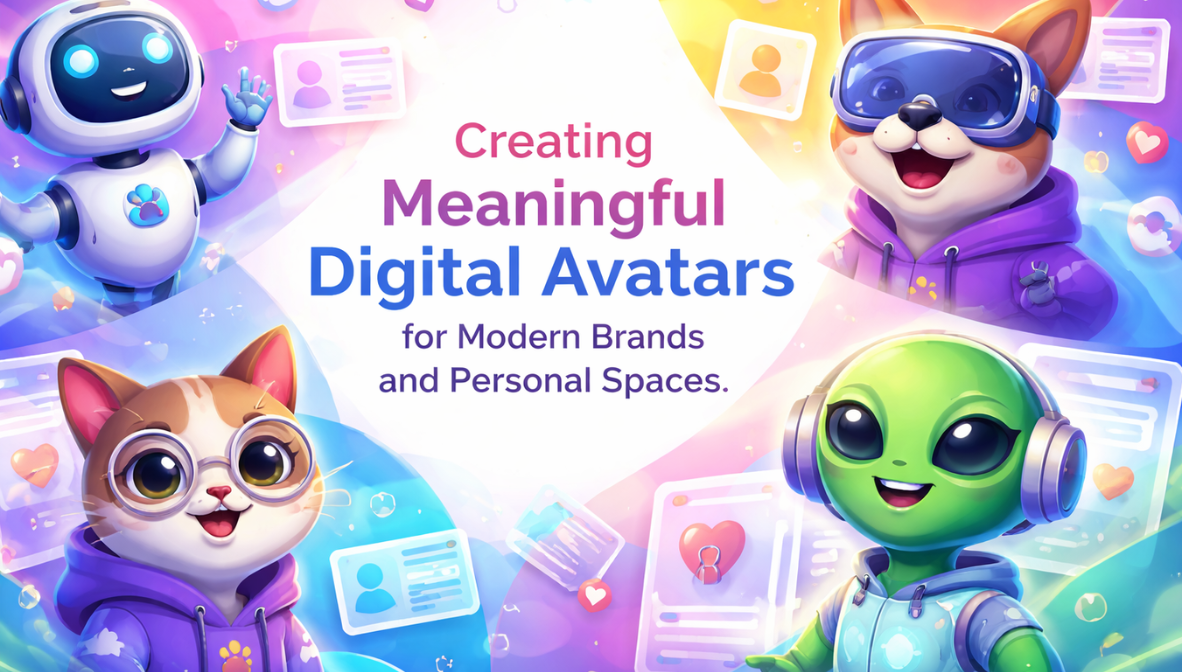
Creating Meaningful Digital Avatars for Modern Brands and Personal Spaces
In a digital world where first impressions are often made in seconds, visual identity plays a powerful role in how content is perceived. Before a visitor reads a headline or scrolls through a page, their eyes look for signals of personality, credibility, and intention. One of the most effective and often overlooked tools for delivering those signals is the digital avatar. Simple at first glance, avatars quietly shape how people relate to a brand, a story, or a creator behind the screen.
For content driven platforms and memory focused websites like funmemorieshome.com, avatars offer a gentle human presence without relying on personal photos. They help transform written stories into experiences that feel warm, relatable, and consistent across pages and platforms.
Why Digital Avatars Have Become Essential
In recent years, avatars have moved beyond gaming and forums into mainstream digital branding. Bloggers, educators, creators, and family oriented websites increasingly use avatars to represent voices, values, and tone. Tools such as the avatar maker from Adobe Express make it possible to design polished avatars quickly while still allowing room for creative control and personal expression.
An avatar works as a visual shortcut. It communicates identity without explanation. A calm, minimal design suggests clarity and trust. A friendly illustrated face signals warmth and openness. For readers, these cues are processed instantly, often subconsciously, shaping how they feel about the content before they read a single sentence.
Human Connection Without Personal Exposure
Not everyone wants or needs to appear on camera. Privacy concerns, consistency, and long term branding often make real photos impractical. Avatars provide an ideal alternative by allowing creators to remain present without being personally exposed.
This is especially valuable for storytelling platforms and family oriented spaces. On a website like funmemorieshome.com, the focus is on shared moments, nostalgia, and emotional connection. An avatar can act as a narrator or guide through these stories, creating familiarity while keeping the emphasis on memories rather than the individual behind the site.
Over time, readers begin to associate the avatar with trust and authenticity, even though it is illustrated. The connection is emotional, not literal.
Avatars as a Consistent Branding Element
Consistency is one of the strongest signals of professionalism online. When the same avatar appears across articles, newsletters, social platforms, and comment sections, it creates a unified experience. Visitors feel like they are engaging with a recognizable presence rather than isolated pieces of content.
For lifestyle and memory driven websites, this consistency supports storytelling. A recurring avatar becomes part of the narrative voice. It feels familiar, welcoming, and dependable. Readers are more likely to return when the experience feels cohesive and thoughtfully designed.
Avatars also age better than photographs. While styles evolve, a well designed illustration can remain relevant for years with only small updates if needed.
How to Design an Avatar That Actually Works
Creating an avatar is easy. Creating a good one requires intention. Here are practical guidelines that help ensure your avatar supports your content instead of distracting from it.
Choose a Style That Matches Your Message
If your site focuses on memories, family stories, or emotional reflections, softer shapes and friendly expressions work best. For educational or informational content, a cleaner and more neutral style often feels more appropriate.
Limit Visual Complexity
An avatar should be recognizable at small sizes. Avoid excessive details that disappear on mobile screens. Simple designs scale better and feel more timeless.
Use a Thoughtful Color Palette
Pull colors from your website design. This creates visual harmony and reinforces brand recognition. Even subtle color repetition strengthens consistency.
Design for Longevity
Trends change quickly. Aim for a style that feels natural and adaptable rather than overly trendy. This reduces the need for frequent redesigns.
Real Life Applications That Feel Natural
Imagine a reader browsing a memory focused article about childhood traditions. A gentle illustrated avatar appears at the top of the page, welcoming them into the story. The same avatar later appears in related posts, guiding them through shared experiences and reflections.
This continuity builds emotional trust. Readers do not feel like they are consuming isolated content. They feel like they are returning to a familiar voice.
For family and lifestyle platforms, avatars often become part of the identity of the site itself. They act as silent storytellers, present without overpowering the narrative.
The Subtle SEO Benefits of Avatars
While avatars do not directly influence search engine rankings, they contribute to metrics that matter. Pages that feel personal and engaging keep readers on the site longer. Visitors are more likely to explore additional content, leave comments, or return later.
Search engines interpret these behaviors as signals of quality and relevance. In this way, avatars indirectly support SEO by improving the overall user experience.
When content feels human, people respond differently. They slow down. They engage. They remember.
Conclusion: A Small Visual Choice With Lasting Impact
Digital avatars may seem like a minor design detail, but their influence is surprisingly deep. They help bridge the gap between content and connection, especially in spaces built around storytelling, memories, and shared experiences. For platforms like funmemorieshome.com, an avatar can quietly become part of the emotional fabric of the site.
In a crowded digital landscape, familiarity and warmth stand out. A thoughtfully designed avatar does not shout for attention. It simply stays with the reader, page after page, story after story.